
ntroduction: Why AI Optimization Is Now a Core Marketing Skill
Digital marketing is no longer just about ranking pages on search engines—it’s about optimizing content for AI-driven discovery systems, voice assistants, and semantic search environments. As artificial intelligence reshapes how users find information, marketers must evolve beyond traditional SEO into a hybrid strategy combining AI Optimization, Search Engine Optimization, and GEO (Generative Engine Optimization).
For marketing students and emerging professionals, understanding this shift is essential. Employers are now looking for candidates who can create content that performs not just in Google rankings, but across AI-powered platforms that interpret context, intent, and authority.
This guide explains how to build a future-ready strategy using proven frameworks, keyword structures, and performance metrics.
Primary Keywords Used in This Article
- AI Optimization
- Digital Marketing Strategy
- SEO Best Practices
Supporting LSI Keywords
AI-driven search, semantic SEO, content optimization, marketing analytics, search intent, GEO optimization, machine learning marketing, ranking signals, user experience SEO, data-driven marketing, local SEO strategy, predictive analytics, algorithm updates, content authority, conversion-focused content.
Understanding the Shift: From Search Engines to Answer Engines
Traditional SEO focused on ranking links. Modern AI systems focus on delivering direct answers.
Then (Search Engine Era)
- Keywords matched queries
- Rankings determined visibility
- Backlinks drove authority
Now (AI Discovery Era)
- Context determines relevance
- Entities matter more than keywords
- Structured knowledge wins visibility
This evolution means marketers must optimize content not only for crawlers, but for AI interpretation models that evaluate meaning, trust, and usefulness.
What Is AI Optimization?
AI Optimization is the process of structuring digital content so artificial intelligence systems can:
- Understand context
- Extract insights
- Recommend your content as an authoritative answer
- Surface it across multiple discovery environments
It blends technical SEO, UX design, and structured data strategy.
Core Pillars of a Modern Digital Marketing Strategy
1. Intent-Based Content Creation
Instead of asking:
“What keyword should I rank for?”
Ask:
“What problem is the user trying to solve?”
AI systems reward solution-focused content.
2. Topical Authority Over Keyword Density
Publishing multiple connected articles builds credibility around a subject rather than relying on a single optimized post.
Example cluster:
- AI in marketing analytics
- Local SEO automation
- Predictive customer behavior
3. Data-Driven Content Structuring
Use:
- Clear headings
- Logical flow
- Semantic relationships
AI reads structure similarly to how humans scan information.
Measuring Success in AI-Driven SEO
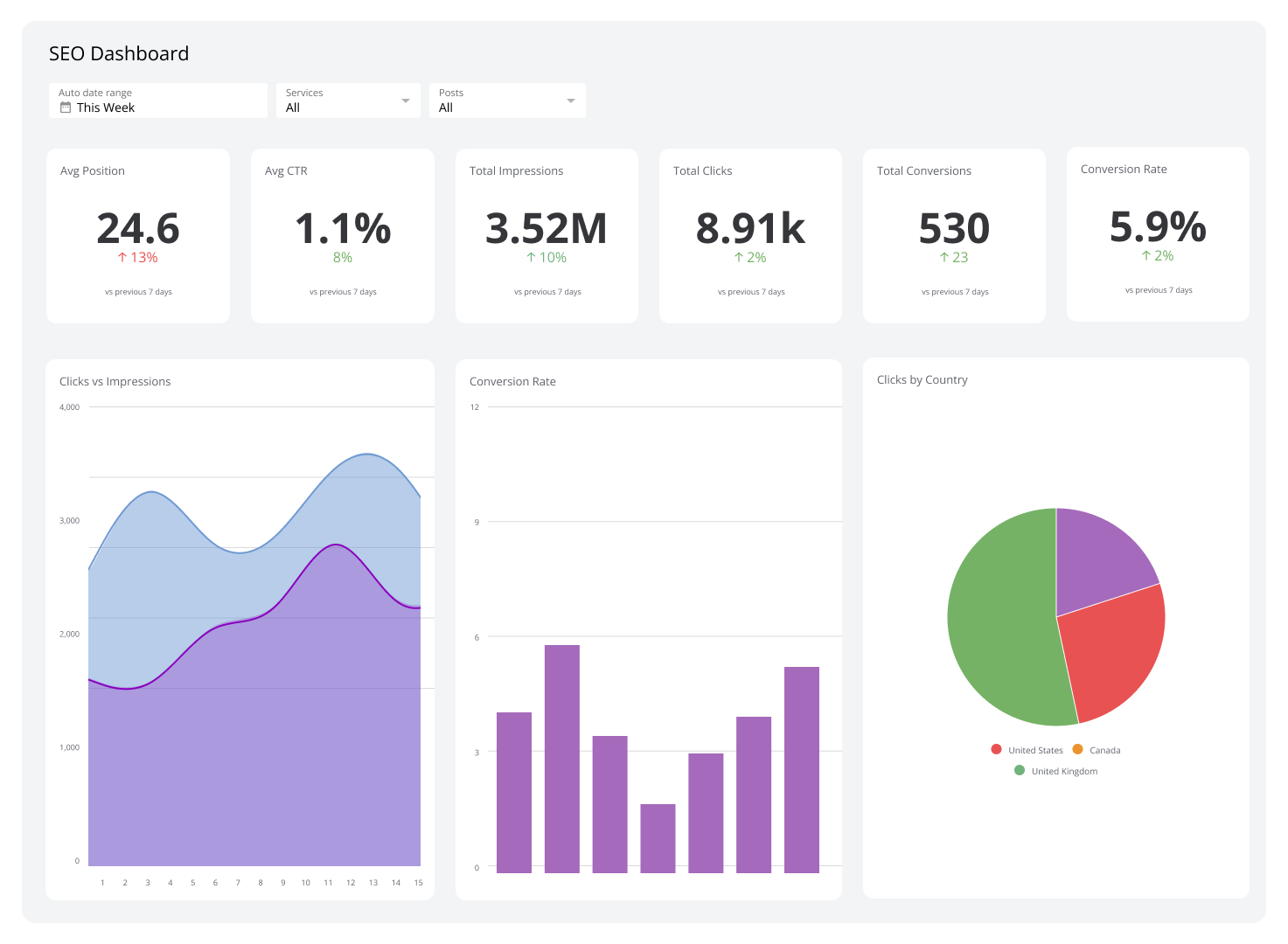
4
Key Metrics That Matter in 2026
| Metric | Why It Matters |
|---|---|
| Content Engagement Time | Signals value to AI systems |
| Search Intent Match | Determines recommendation likelihood |
| Topic Coverage Depth | Builds authority signals |
| User Experience Signals | Reduces bounce behavior |
| Structured Content Score | Helps AI interpret meaning |
The Role of GEO (Generative Engine Optimization)
GEO focuses on optimizing content so generative AI platforms cite or reference your material when producing answers.
This is becoming as important as traditional ranking.
To explore implementation frameworks, review this resource:
➡️ https://digitalmarketingmash.com/seo-and-geo-best-practices/
Building a Scalable Content Framework
Step 1: Establish Topic Authority
Choose one niche:
- Local business marketing
- AI-powered analytics
- Industry-specific SEO
Depth beats breadth.
Step 2: Create Structured Knowledge Layers
Each article should support another.
| Content Type | Purpose |
|---|---|
| Foundational Guides | Explain core concepts |
| Case Studies | Demonstrate application |
| How-To Articles | Provide tactical value |
| Trend Analysis | Show industry awareness |
Step 3: Optimize for Human Readability First
AI systems are trained on human engagement patterns.
If humans find it useful:
AI will too.
Content Architecture: How High-Performing Pages Are Built

4
The Ideal Content Flow
- Clear introduction defining value
- Logical section hierarchy
- Supporting data or visuals
- Actionable takeaways
- Internal and external authority signals
This structure mirrors how AI models interpret educational material.
Technical SEO Still Matters (But Differently)
While AI has changed discovery, foundational SEO Best Practices remain critical.
Essential Technical Elements
- Fast page load speeds
- Mobile-first design
- Schema markup
- Clean URL structure
- Accessible navigation
These ensure systems can process content efficiently.
The Importance of User Experience in AI Rankings
Search algorithms increasingly evaluate behavioral signals:
- Scroll depth
- Interaction time
- Navigation patterns
Good UX is now a ranking factor.
How Marketing Students Can Apply This Today
You don’t need enterprise tools to demonstrate expertise.
Build a Portfolio That Shows:
✔ Keyword strategy
✔ Structured writing
✔ Analytics awareness
✔ Conversion thinking
✔ AI-ready formatting
Employers value demonstrated understanding over theoretical knowledge.
Example Workflow for a Student Project
| Phase | Action |
|---|---|
| Research | Identify audience problems |
| Planning | Map keyword + intent alignment |
| Creation | Write structured, valuable content |
| Optimization | Apply SEO and GEO principles |
| Measurement | Evaluate engagement metrics |
Common Mistakes New Marketers Should Avoid
Over-Focusing on Keywords
Modern optimization is about meaning, not repetition.
Ignoring Content Structure
Walls of text reduce interpretability.
Treating SEO as Separate from Strategy
SEO is now embedded in all digital marketing activity.
The Future of Digital Marketing Careers
AI will not replace marketers—but it will replace marketers who don’t understand AI.
The most valuable professionals will be those who can:
- Translate business goals into search visibility
- Structure knowledge for machine interpretation
- Combine analytics with storytelling
- Adapt to evolving algorithms
Final Thoughts: The Marketer’s Role Is Becoming More Strategic
AI Optimization represents a shift from technical manipulation to intentional communication design.
Success now depends on:
- Clarity
- Authority
- Structure
- Relevance
For students building a WordPress-based portfolio, mastering these elements signals readiness for the modern marketing landscape.
Key Takeaways
- AI Optimization is the evolution of SEO, not its replacement.
- Content must be structured for both humans and machines.
- Topic authority drives visibility more than isolated keywords.
- GEO ensures your material is referenced by generative AI systems.
- Digital marketing careers increasingly demand analytical + strategic thinking.
Leave a Reply