Understanding Google’s Latest Algorithm Updates: What They Mean for SEO in 2026
Search engines are no longer just matching keywords. They are interpreting intent, evaluating credibility, and measuring user satisfaction in real time. Google’s latest algorithm updates continue to push search toward a human-first model where quality, trust, and usability matter more than ever.
For businesses, marketers, and content creators, this shift is not just technical. It fundamentally changes how visibility is earned online. In this guide, we will break down what these updates mean, how they affect rankings, and what you should do now to stay competitive.
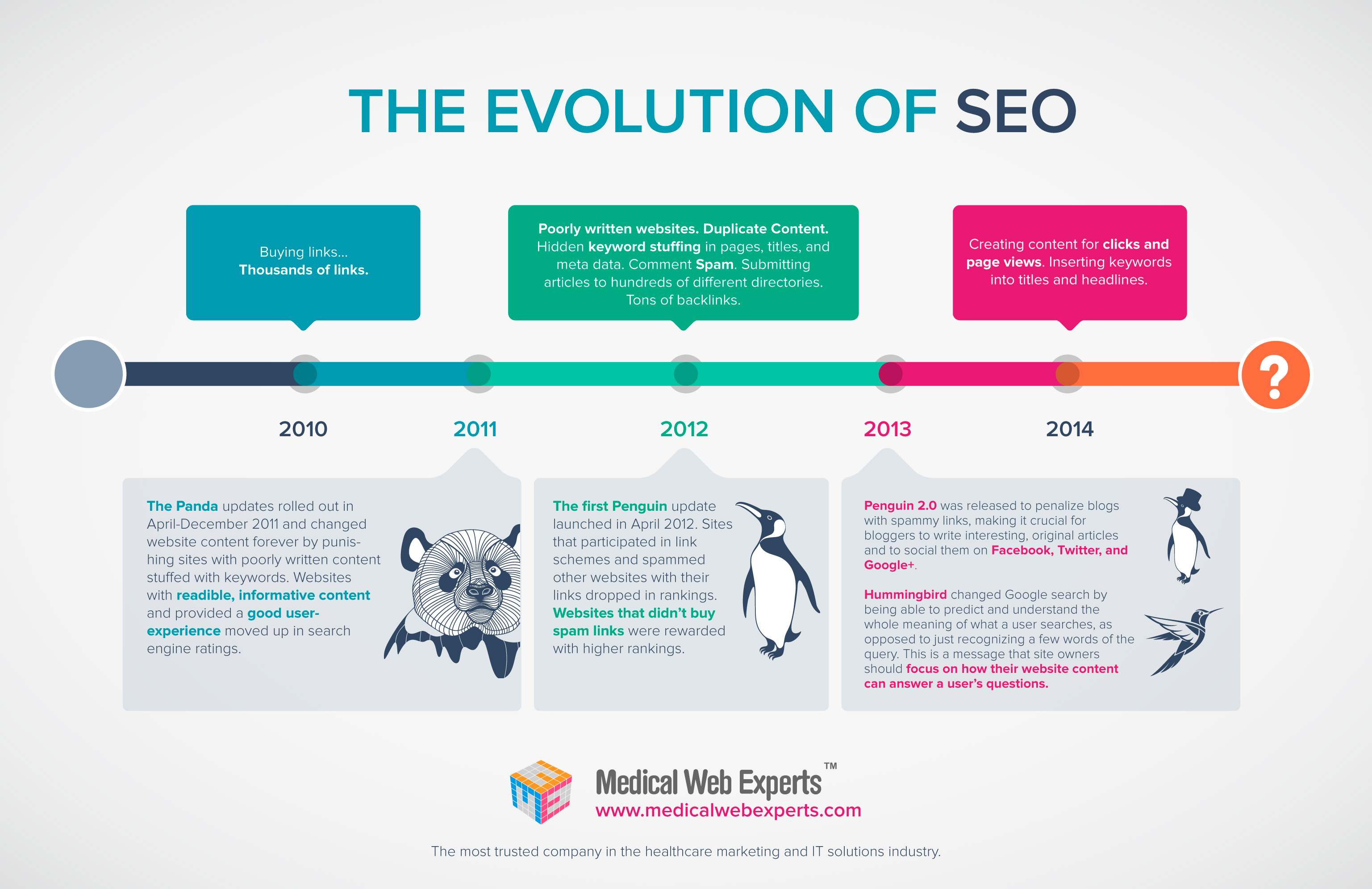
The Evolution of Google’s Algorithm: From Keywords to Intent
4
Google’s early algorithms focused heavily on keyword density and backlinks. Today, AI-driven ranking systems interpret context, behavior, and authority signals.
What Changed Recently
AI models now evaluate search intent accuracy, not just relevance.
Content is assessed for depth, originality, and usefulness.
Engagement metrics help Google understand whether users found value.
Spam detection systems now identify scaled AI content without human editing.
Why This Matters
Google’s updates are designed to reward sites that demonstrate expertise and penalize those that publish content purely to manipulate rankings.
Primary Keyword: Google Algorithm Updates LSI Keywords: search intent, semantic search, ranking factors, AI search, SEO evolution
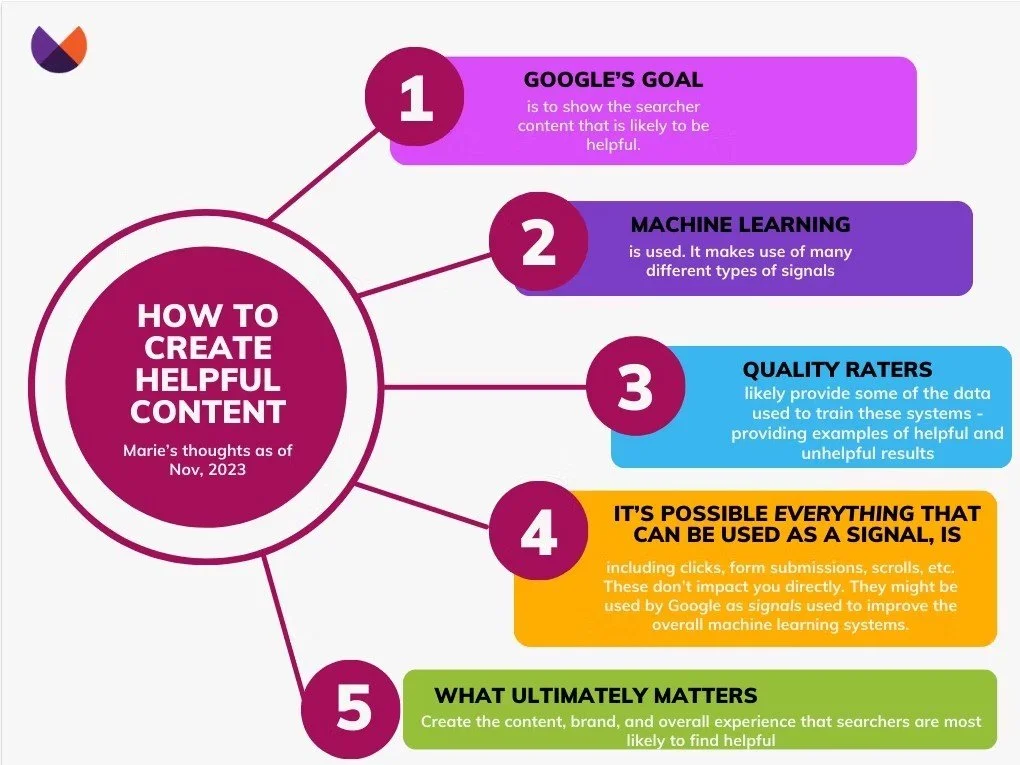
Helpful Content System: Writing for Humans First
4
The Helpful Content System continues to expand its influence across rankings. Google now evaluates whether content:
Demonstrates first-hand knowledge
Solves a specific problem
Avoids fluff written solely for search engines
Signals Google Looks For
Clear answers early in the page
Evidence of experience or expertise
Logical structure and readability
Unique value beyond what competitors provide
Thin articles, keyword-stuffed pages, and generic rewrites are increasingly filtered out.
If your content could be swapped with another site and no one would notice, it likely will not rank.
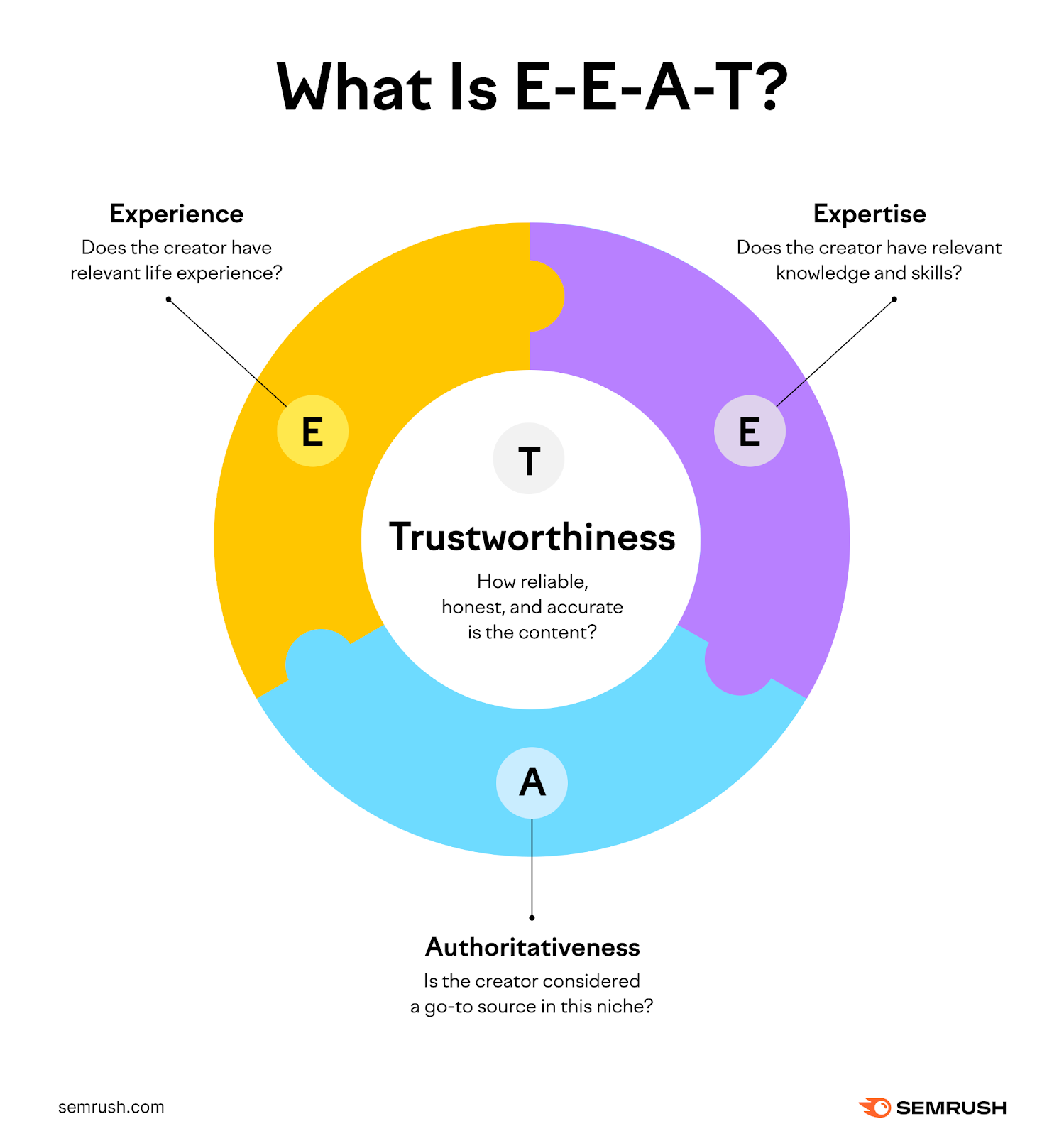
E-E-A-T Is Now a Core Ranking Standard
4
Google evaluates:
Experience
Expertise
Authoritativeness
Trustworthiness
This framework is no longer limited to health or finance sites. It applies to all industries, including local businesses and digital marketing firms.
How to Strengthen E-E-A-T
Showcase real authors with credentials
Include case studies or practical insights
Build authoritative backlinks
Maintain consistent brand messaging
Businesses investing in real expertise gain long-term visibility advantages.
Google’s spam systems now detect patterns across entire domains, not just pages.
Sustainable SEO is now synonymous with ethical SEO.
Content Depth Beats Content Volume
Publishing more pages no longer guarantees growth.
What Wins Now
Comprehensive guides instead of short posts
Original insights instead of rewritten summaries
Data-backed explanations instead of opinions
Google favors topical authority, meaning fewer but stronger pages outperform large shallow blogs.
User Experience Signals Are Ranking Signals
4
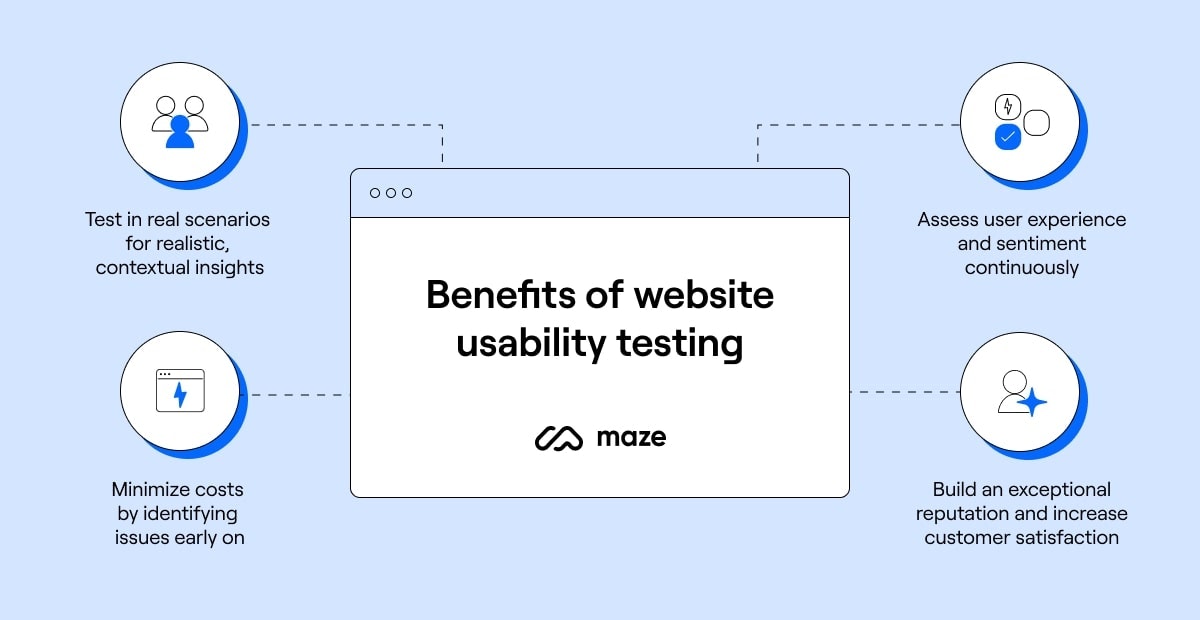
Search engines measure how users interact with your site.
Key Behavioral Indicators
Time spent on page
Scroll depth
Interaction patterns
Return visits
These signals help Google determine whether your page truly satisfied the search query.
Local and Personalized Search Are Expanding
Google is increasingly contextualizing results based on:
Location
Search history
Device behavior
Real-world relevance
Businesses that optimize for geographic intent gain stronger visibility in their markets.
Local SEO is no longer separate from traditional SEO. It is integrated into how search works overall.
How Businesses Should Adapt Their SEO Strategy in 2026
To align with modern algorithm expectations, organizations must shift focus.
Recommended Strategic Model
Traditional SEO
Modern SEO
Keyword targeting
Intent satisfaction
Backlink quantity
Authority relevance
Content volume
Topic mastery
One-time optimization
Continuous improvement
Technical checklist
Experience-driven UX
The Future of Google Search: Predictive and Contextual
Looking forward, search will continue evolving toward:
Predictive answers rather than reactive queries
AI-assisted summaries from trusted sources
Stronger evaluation of brand credibility
Increased importance of multimedia and structured data
This means SEO success will depend on becoming a recognized authority, not just producing optimized pages.
Final Thoughts
Understanding Google’s latest algorithm updates is not about chasing ranking tricks. It is about aligning with how search engines now evaluate value.
The websites that will succeed are those that:
Provide real expertise
Deliver exceptional user experiences
Maintain technical excellence
Build trust over time
SEO has matured into a discipline that blends marketing, psychology, technology, and authority building. Businesses that embrace this evolution will not just survive algorithm updates. They will benefit from them.
ntroduction: Why AI Optimization Is Now a Core Marketing Skill
Digital marketing is no longer just about ranking pages on search engines—it’s about optimizing content for AI-driven discovery systems, voice assistants, and semantic search environments. As artificial intelligence reshapes how users find information, marketers must evolve beyond traditional SEO into a hybrid strategy combining AI Optimization, Search Engine Optimization, and GEO (Generative Engine Optimization).
For marketing students and emerging professionals, understanding this shift is essential. Employers are now looking for candidates who can create content that performs not just in Google rankings, but across AI-powered platforms that interpret context, intent, and authority.
This guide explains how to build a future-ready strategy using proven frameworks, keyword structures, and performance metrics.
Primary Keywords Used in This Article
AI Optimization
Digital Marketing Strategy
SEO Best Practices
Supporting LSI Keywords
AI-driven search, semantic SEO, content optimization, marketing analytics, search intent, GEO optimization, machine learning marketing, ranking signals, user experience SEO, data-driven marketing, local SEO strategy, predictive analytics, algorithm updates, content authority, conversion-focused content.
Understanding the Shift: From Search Engines to Answer Engines
Traditional SEO focused on ranking links. Modern AI systems focus on delivering direct answers.
Then (Search Engine Era)
Keywords matched queries
Rankings determined visibility
Backlinks drove authority
Now (AI Discovery Era)
Context determines relevance
Entities matter more than keywords
Structured knowledge wins visibility
This evolution means marketers must optimize content not only for crawlers, but for AI interpretation models that evaluate meaning, trust, and usefulness.
What Is AI Optimization?
AI Optimization is the process of structuring digital content so artificial intelligence systems can:
Understand context
Extract insights
Recommend your content as an authoritative answer
Surface it across multiple discovery environments
It blends technical SEO, UX design, and structured data strategy.
Core Pillars of a Modern Digital Marketing Strategy
1. Intent-Based Content Creation
Instead of asking:
“What keyword should I rank for?”
Ask:
“What problem is the user trying to solve?”
AI systems reward solution-focused content.
2. Topical Authority Over Keyword Density
Publishing multiple connected articles builds credibility around a subject rather than relying on a single optimized post.
Example cluster:
AI in marketing analytics
Local SEO automation
Predictive customer behavior
3. Data-Driven Content Structuring
Use:
Clear headings
Logical flow
Semantic relationships
AI reads structure similarly to how humans scan information.
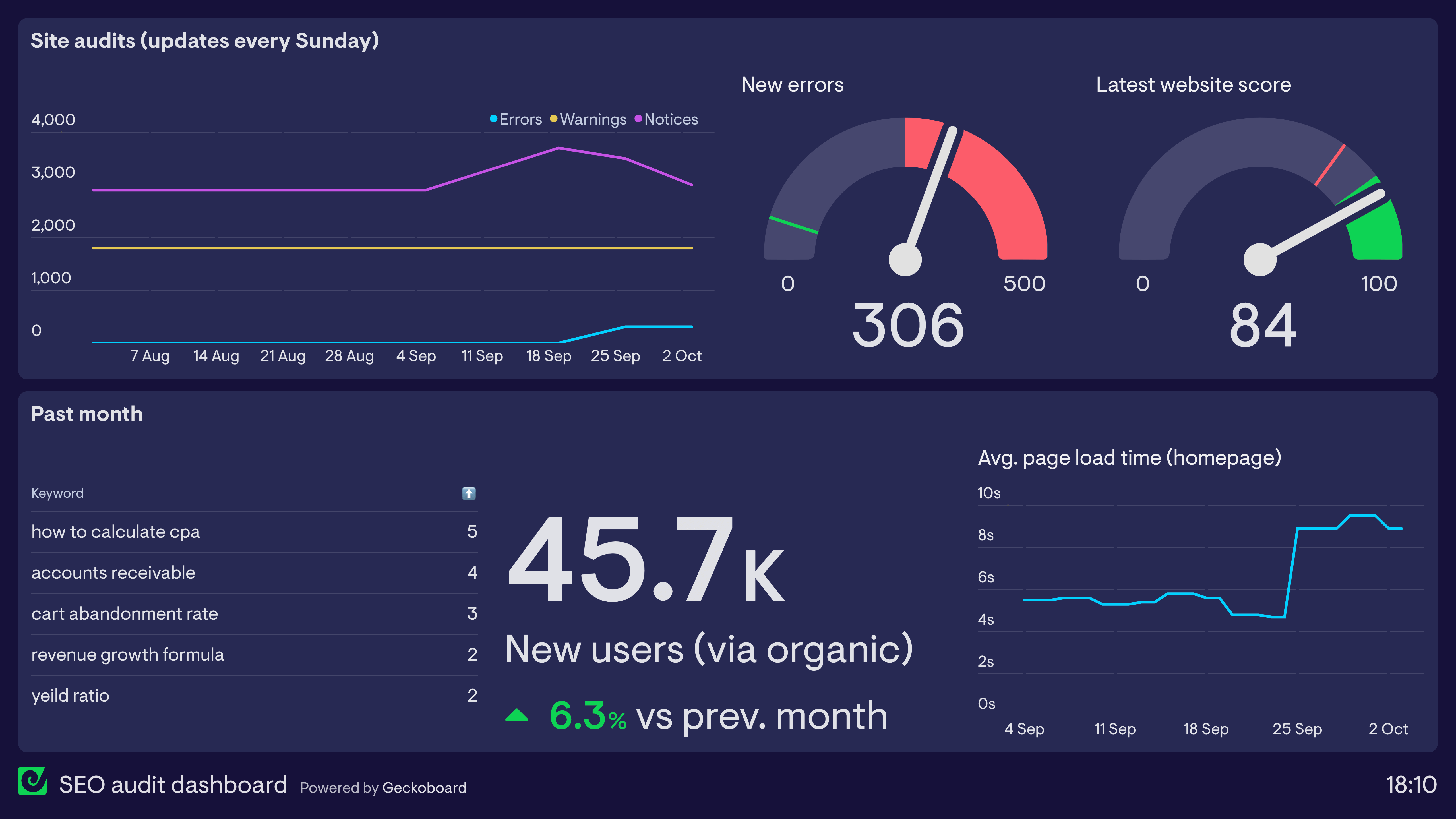
Measuring Success in AI-Driven SEO
4
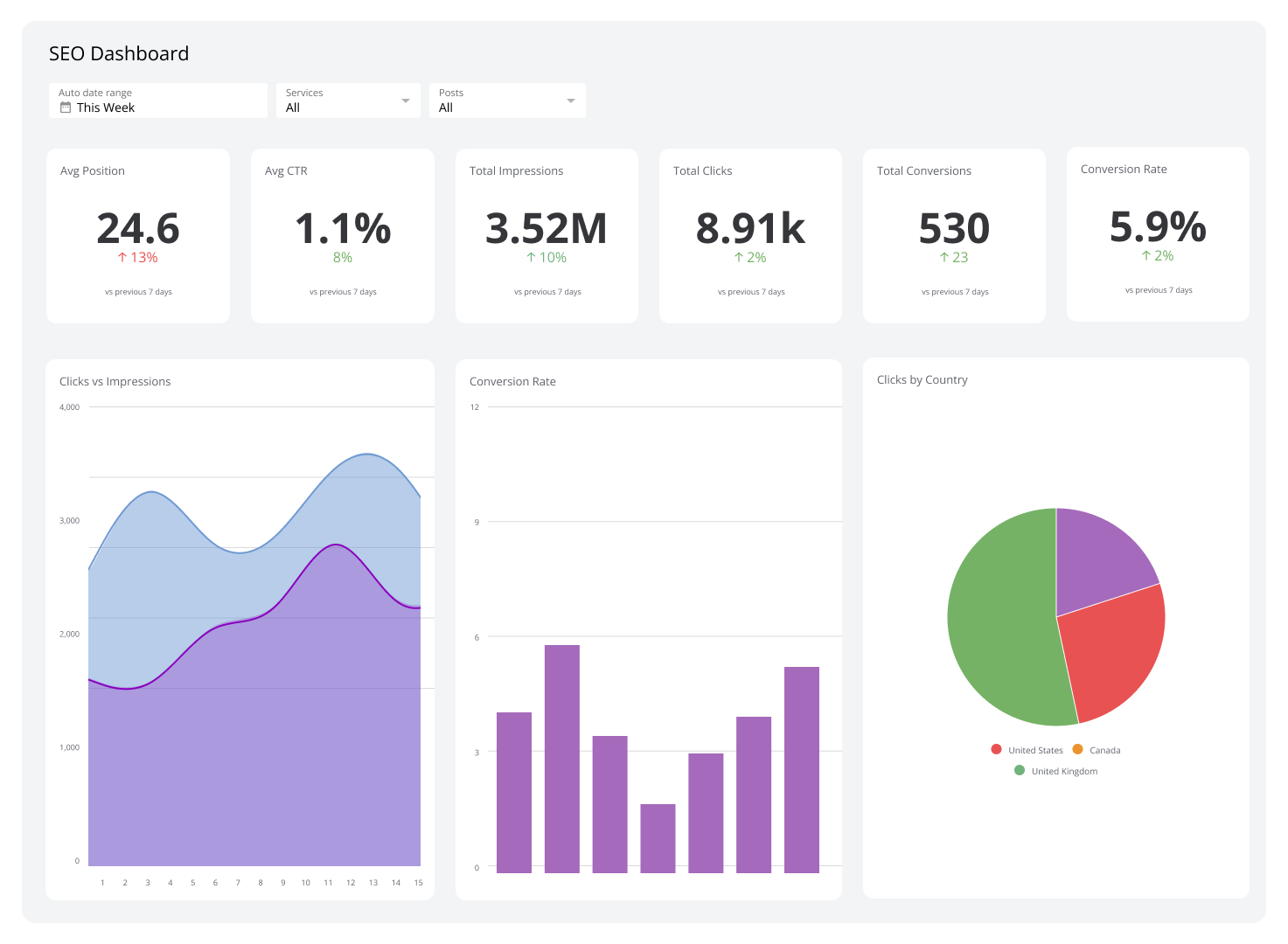
Key Metrics That Matter in 2026
Metric
Why It Matters
Content Engagement Time
Signals value to AI systems
Search Intent Match
Determines recommendation likelihood
Topic Coverage Depth
Builds authority signals
User Experience Signals
Reduces bounce behavior
Structured Content Score
Helps AI interpret meaning
The Role of GEO (Generative Engine Optimization)
GEO focuses on optimizing content so generative AI platforms cite or reference your material when producing answers.
This is becoming as important as traditional ranking.


Leave a Reply