
Welcome to WordPress. This is your first post. Edit or delete it, then start writing!
Understanding Google’s Latest Algorithm Updates: What They Mean for SEO in 2026
Search engines are no longer just matching keywords. They are interpreting intent, evaluating credibility, and measuring user satisfaction in real time. Google’s latest algorithm updates continue to push search toward a human-first model where quality, trust, and usability matter more than ever.
For businesses, marketers, and content creators, this shift is not just technical. It fundamentally changes how visibility is earned online. In this guide, we will break down what these updates mean, how they affect rankings, and what you should do now to stay competitive.
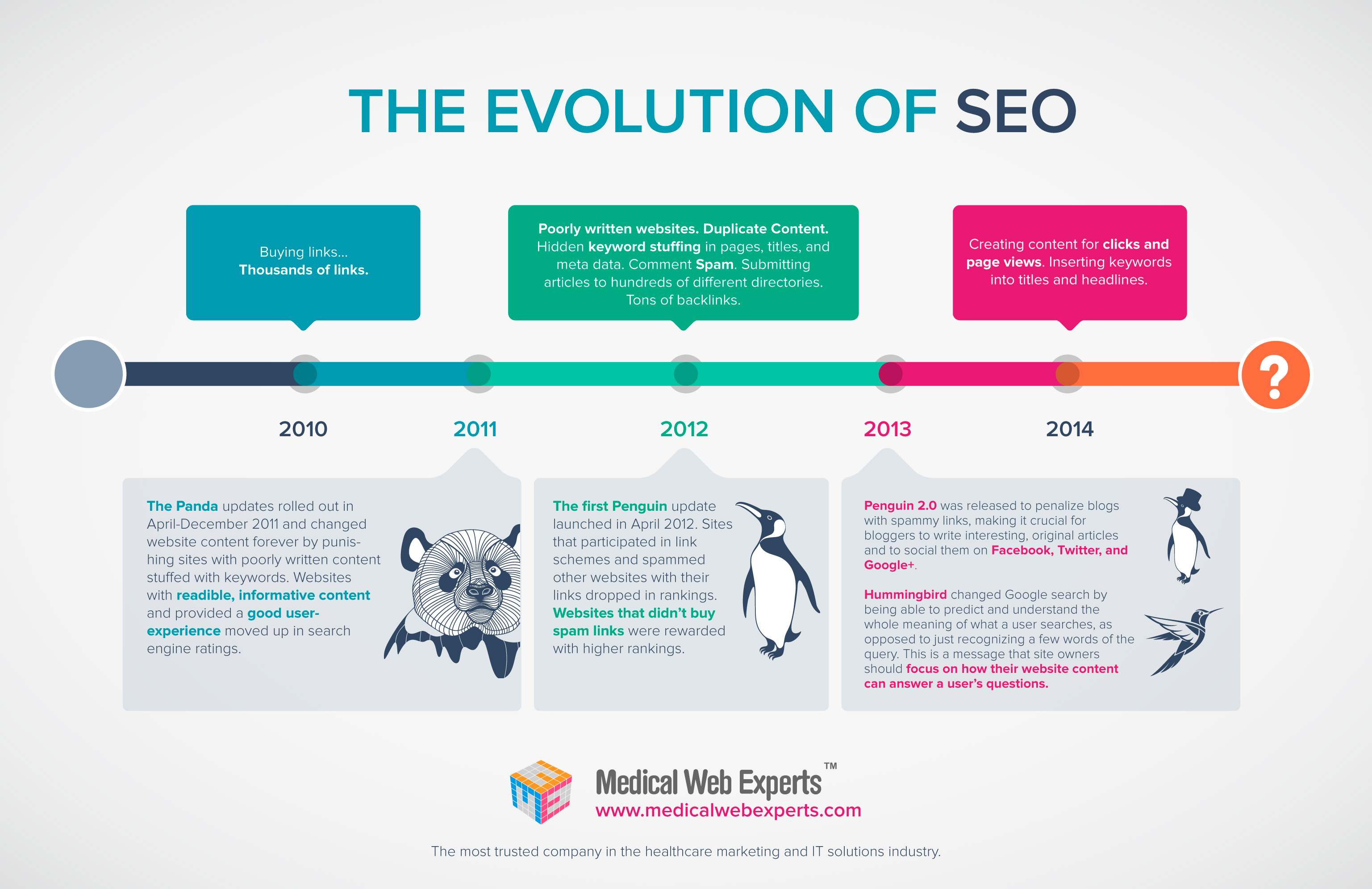
The Evolution of Google’s Algorithm: From Keywords to Intent
4
Google’s early algorithms focused heavily on keyword density and backlinks. Today, AI-driven ranking systems interpret context, behavior, and authority signals.
What Changed Recently
- AI models now evaluate search intent accuracy, not just relevance.
- Content is assessed for depth, originality, and usefulness.
- Engagement metrics help Google understand whether users found value.
- Spam detection systems now identify scaled AI content without human editing.
Why This Matters
Google’s updates are designed to reward sites that demonstrate expertise and penalize those that publish content purely to manipulate rankings.
Primary Keyword: Google Algorithm Updates
LSI Keywords: search intent, semantic search, ranking factors, AI search, SEO evolution
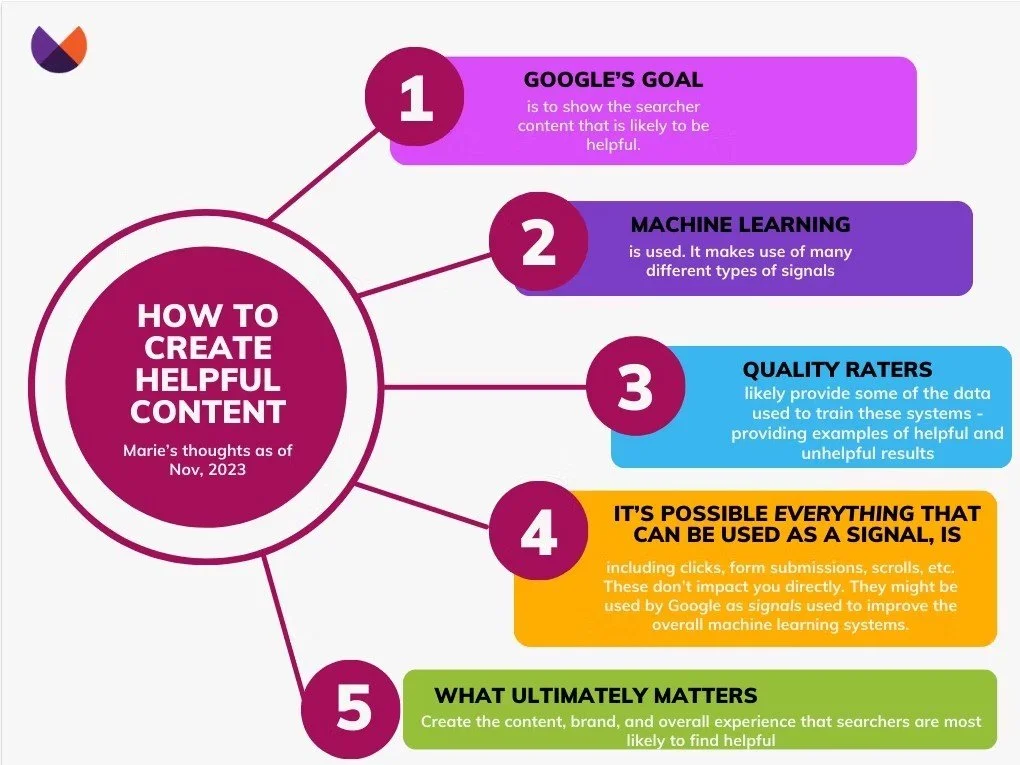
Helpful Content System: Writing for Humans First
4
The Helpful Content System continues to expand its influence across rankings. Google now evaluates whether content:
- Demonstrates first-hand knowledge
- Solves a specific problem
- Avoids fluff written solely for search engines
Signals Google Looks For
- Clear answers early in the page
- Evidence of experience or expertise
- Logical structure and readability
- Unique value beyond what competitors provide
Thin articles, keyword-stuffed pages, and generic rewrites are increasingly filtered out.
If your content could be swapped with another site and no one would notice, it likely will not rank.
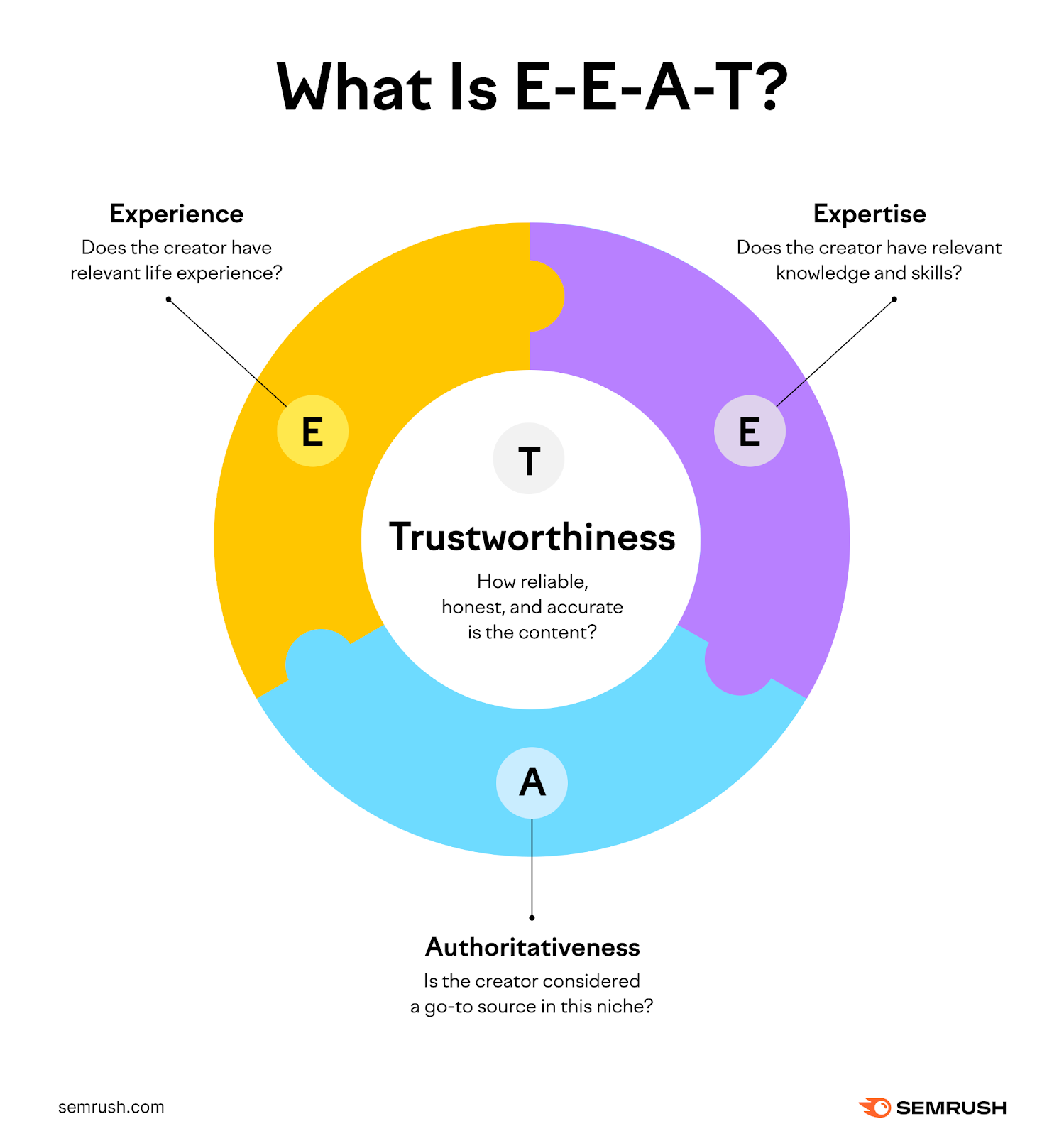
E-E-A-T Is Now a Core Ranking Standard
4
Google evaluates:
- Experience
- Expertise
- Authoritativeness
- Trustworthiness
This framework is no longer limited to health or finance sites. It applies to all industries, including local businesses and digital marketing firms.
How to Strengthen E-E-A-T
- Showcase real authors with credentials
- Include case studies or practical insights
- Build authoritative backlinks
- Maintain consistent brand messaging
Businesses investing in real expertise gain long-term visibility advantages.
For a deeper look at applying AI-driven optimization strategies locally, explore:
https://digitalmarketingmash.com/michigan-ai-optimization-and-digital-marketing/
AI Integration: Google Is Using Machine Learning to Rank Content
Google’s ranking systems now rely heavily on machine learning models that analyze patterns across billions of searches.
What AI Evaluates
| Factor | What Google Measures |
|---|---|
| User Behavior | Click-through rate, dwell time |
| Content Depth | Topic completeness |
| Authority Signals | Mentions and citations |
| UX Performance | Page speed and navigation |
| Intent Matching | Satisfaction of search goal |
AI helps Google determine not just whether content exists, but whether it deserves visibility.
Core Updates Are Now Continuous, Not Occasional
Previously, marketers feared major algorithm updates a few times per year. Today, Google rolls out refinements constantly.
Implication for SEO Strategy
SEO is no longer about reacting to updates. It is about maintaining ongoing quality signals.
That means:
- Regular content refreshes
- Technical maintenance
- Continuous authority building
SEO has shifted from a campaign to an operational discipline.
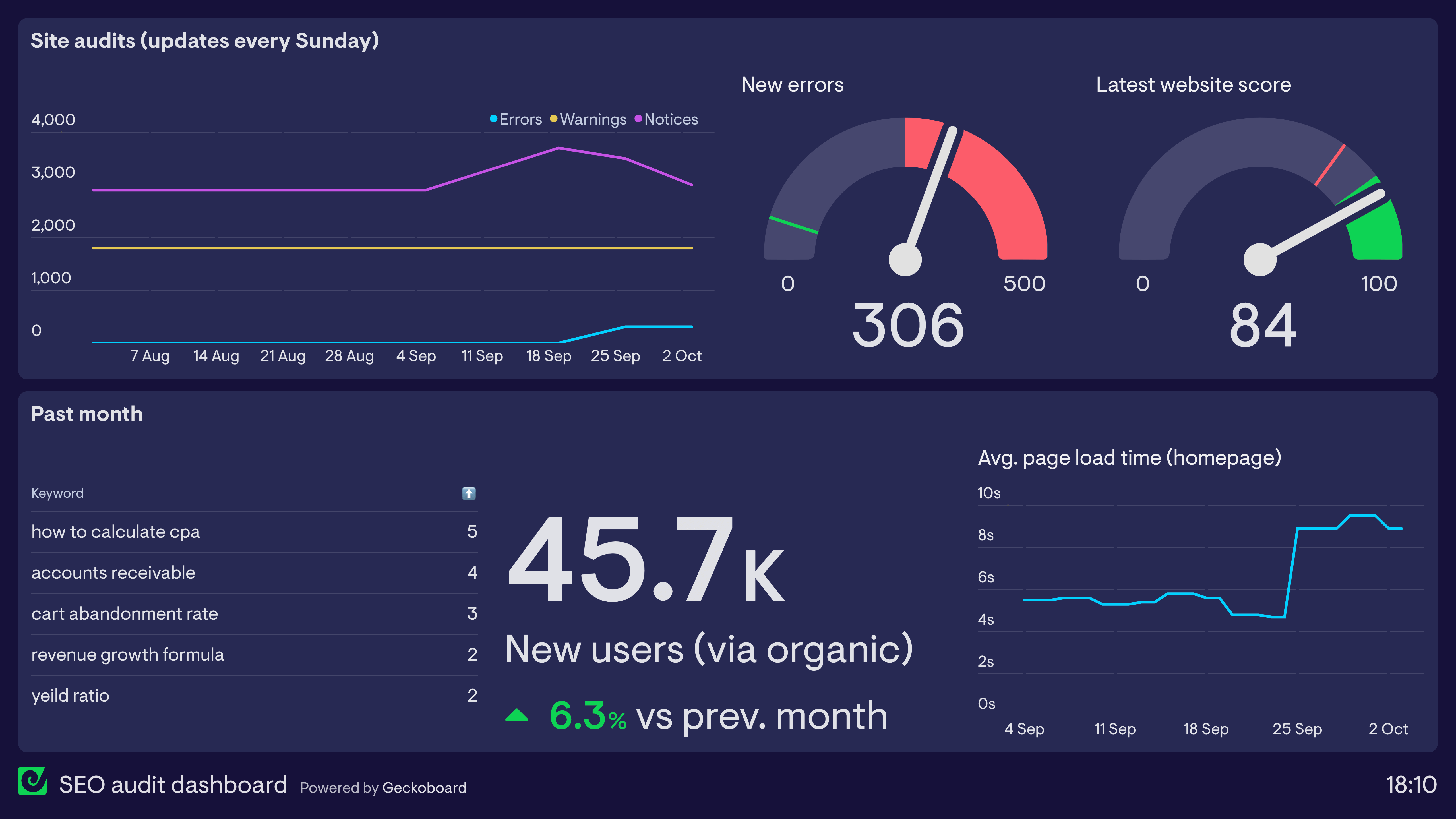
Technical SEO Still Matters More Than Ever
4
Even the best content cannot perform if technical foundations are weak.
Critical Technical Factors
- Core Web Vitals performance
- Mobile-first indexing readiness
- Crawlability and structured data
- Clean site architecture
Google increasingly prioritizes user experience metrics alongside content relevance.
For best practices combining SEO with geographic optimization, see:
https://digitalmarketingmash.com/seo-and-geo-best-practices/
The Decline of Manipulative SEO Tactics
Strategies that once worked are now liabilities.
Losing Effectiveness
- Mass backlink purchases
- Low-value guest posting networks
- Automated AI article publishing
- Exact-match keyword stuffing
Google’s spam systems now detect patterns across entire domains, not just pages.
Sustainable SEO is now synonymous with ethical SEO.
Content Depth Beats Content Volume
Publishing more pages no longer guarantees growth.
What Wins Now
- Comprehensive guides instead of short posts
- Original insights instead of rewritten summaries
- Data-backed explanations instead of opinions
Google favors topical authority, meaning fewer but stronger pages outperform large shallow blogs.
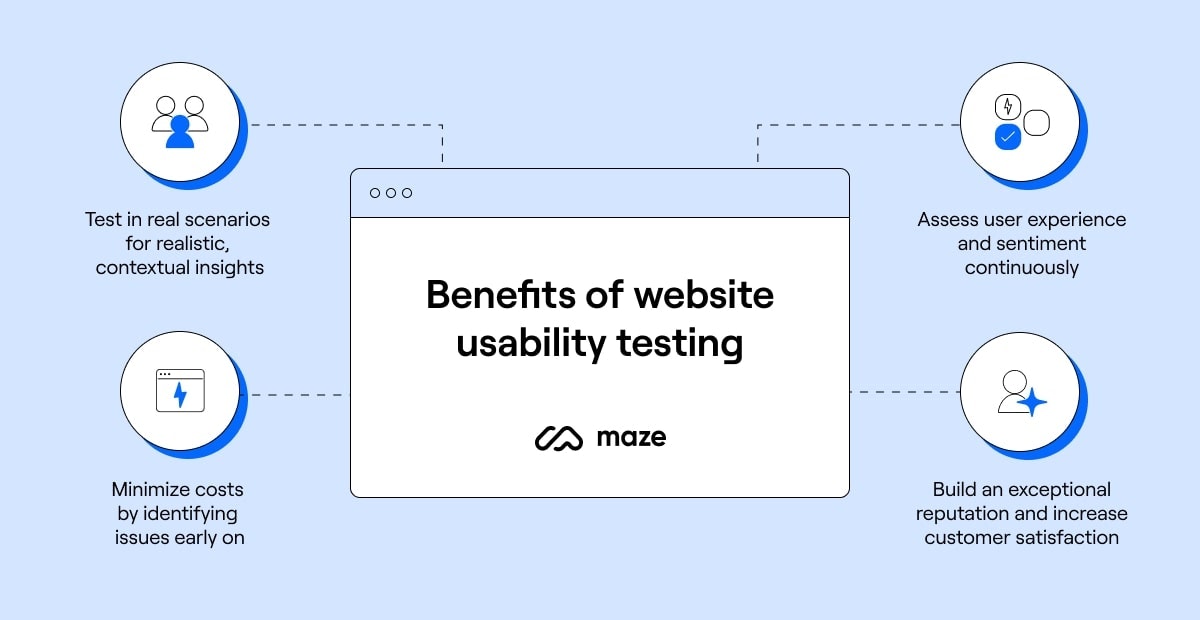
User Experience Signals Are Ranking Signals
4
Search engines measure how users interact with your site.
Key Behavioral Indicators
- Time spent on page
- Scroll depth
- Interaction patterns
- Return visits
These signals help Google determine whether your page truly satisfied the search query.
Local and Personalized Search Are Expanding
Google is increasingly contextualizing results based on:
- Location
- Search history
- Device behavior
- Real-world relevance
Businesses that optimize for geographic intent gain stronger visibility in their markets.
Local SEO is no longer separate from traditional SEO. It is integrated into how search works overall.
How Businesses Should Adapt Their SEO Strategy in 2026
To align with modern algorithm expectations, organizations must shift focus.
Recommended Strategic Model
| Traditional SEO | Modern SEO |
|---|---|
| Keyword targeting | Intent satisfaction |
| Backlink quantity | Authority relevance |
| Content volume | Topic mastery |
| One-time optimization | Continuous improvement |
| Technical checklist | Experience-driven UX |
The Future of Google Search: Predictive and Contextual
Looking forward, search will continue evolving toward:
- Predictive answers rather than reactive queries
- AI-assisted summaries from trusted sources
- Stronger evaluation of brand credibility
- Increased importance of multimedia and structured data
This means SEO success will depend on becoming a recognized authority, not just producing optimized pages.
Final Thoughts
Understanding Google’s latest algorithm updates is not about chasing ranking tricks. It is about aligning with how search engines now evaluate value.
The websites that will succeed are those that:
- Provide real expertise
- Deliver exceptional user experiences
- Maintain technical excellence
- Build trust over time
SEO has matured into a discipline that blends marketing, psychology, technology, and authority building. Businesses that embrace this evolution will not just survive algorithm updates. They will benefit from them.
One response to “Hello world!”
-
Hi, this is a comment.
To get started with moderating, editing, and deleting comments, please visit the Comments screen in the dashboard.
Commenter avatars come from Gravatar.

Leave a Reply