
Organic traffic is the foundation of long-term digital marketing success. Unlike paid ads, organic traffic comes from search engines when users find your content naturally through relevant queries. While it takes time and consistent effort, increasing organic traffic leads to sustainable growth, stronger brand authority, and higher-quality leads.
In this article, we’ll explore effective, proven strategies to increase organic traffic by focusing on SEO best practices, content creation, technical optimization, and user experience. Whether you’re a beginner or building on existing SEO knowledge, these methods will help you grow search visibility and website traffic over time.
Understanding Organic Traffic and Why It Matters
Organic traffic refers to visitors who land on your website through unpaid search engine results. These users are actively searching for information, products, or services, making them more valuable than many other traffic sources.
Benefits of Organic Traffic
- Long-term and cost-effective growth
- Higher trust and credibility
- Better engagement and conversion rates
- Stronger brand visibility in search engines
Search engines reward websites that provide relevant, helpful, and well-optimized content. The strategies below focus on aligning your site with what search engines—and users—want.
Conduct In-Depth Keyword Research
Keyword research is the backbone of SEO. It helps you understand what your audience is searching for and how competitive those searches are.
Target the Right Keywords
Focus on:
- Long-tail keywords (more specific, lower competition)
- Keywords with clear search intent
- Terms your audience actually uses
Examples:
- “how to increase organic traffic”
- “SEO strategies for small businesses”
- “content marketing for SEO”
Use Keyword Research Tools
Popular tools include:
- Google Keyword Planner
- Ubersuggest
- SEMrush
- Ahrefs
Choose keywords that balance search volume and competition. Ranking for multiple lower-competition keywords often produces better results than chasing one high-volume term.
Create High-Quality, Valuable Content
Content is still king in SEO. Search engines prioritize content that answers questions clearly and thoroughly.
Focus on Search Intent
Each piece of content should match one of these intents:
- Informational (guides, tutorials, explanations)
- Navigational (brand or product searches)
- Transactional (buying or converting)
Your post should directly satisfy the intent behind the keyword.
Write Long-Form Content
Longer content (1,500–2,500 words) tends to:
- Rank higher in search results
- Earn more backlinks
- Keep users engaged longer
However, length only matters if the content is useful and readable.
Optimize On-Page SEO Elements
On-page SEO ensures search engines can understand and rank your content properly.
Optimize Title Tags
- Include your main keyword
- Keep titles under 60 characters
- Make them compelling
Example:
Effective Ways to Increase Organic Traffic for Long-Term SEO Growth
Use Header Tags Correctly
- H1 for the main title
- H2 for major sections
- H3 for subtopics
This improves readability and helps search engines understand content structure.
Optimize Meta Descriptions
Although meta descriptions don’t directly affect rankings, they influence click-through rates.
Tips:
- 150–160 characters
- Include your main keyword
- Clearly explain value
Improve Website User Experience (UX)
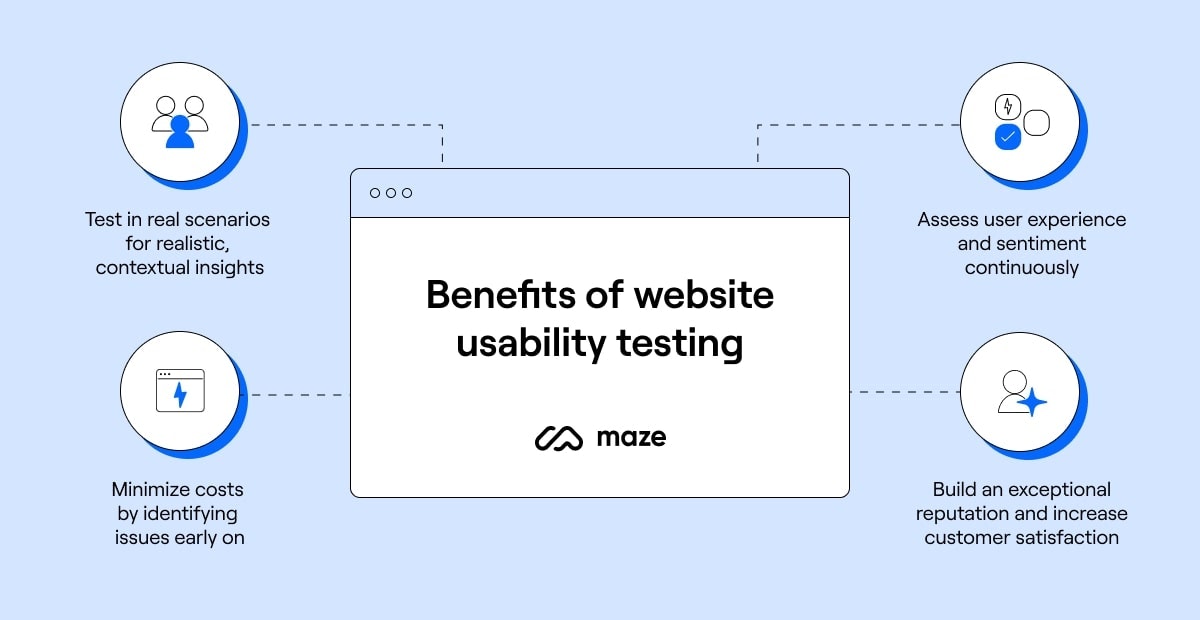
Search engines increasingly prioritize user experience. If visitors leave quickly, rankings can suffer.
Improve Page Load Speed
Slow websites frustrate users and hurt SEO.
Ways to improve speed:
- Compress images
- Use caching plugins
- Minimize CSS and JavaScript
- Choose reliable hosting
Ensure Mobile Responsiveness
Most searches happen on mobile devices. Google uses mobile-first indexing, meaning your mobile version matters most.
Make sure:
- Text is readable on small screens
- Buttons are easy to click
- Pages load quickly on mobile
Use Internal Linking Strategically
Internal links connect pages within your website and help search engines understand site structure.
Benefits of Internal Linking
- Improves crawlability
- Passes authority between pages
- Keeps users on your site longer
Best Practices
- Link to relevant content naturally
- Use descriptive anchor text
- Avoid over-linking
Internal linking also helps new content rank faster by connecting it to established pages.
Build High-Quality Backlinks
Backlinks remain one of the strongest ranking factors. A backlink is a link from another website to yours.
Focus on Quality Over Quantity
One link from an authoritative site is more valuable than dozens of low-quality links.
Ways to Earn Backlinks
- Guest blogging
- Creating shareable content
- Publishing original research
- Building relationships in your niche
Avoid spammy link-building tactics, as they can harm your rankings.
Optimize for Featured Snippets and SERP Features
Featured snippets appear at the top of Google search results and can significantly increase visibility.
How to Optimize for Snippets
- Answer questions clearly and concisely
- Use bullet points or numbered lists
- Include question-based headers
Example:
What are effective ways to increase organic traffic?
Then follow with a direct, well-structured answer.
Refresh and Update Existing Content
SEO isn’t only about new content. Updating old posts can lead to quick traffic gains.
Why Content Updates Matter
- Search engines prefer fresh information
- Updated content often ranks higher
- Improves accuracy and relevance
What to Update
- Statistics and data
- Broken links
- Outdated screenshots or examples
- Add new sections or keywords
Content optimization can be just as powerful as content creation.
Use SEO-Friendly URLs
Your URL structure should be simple and readable.
Best Practices
- Use hyphens instead of underscores
- Avoid numbers and unnecessary words
- Include your primary keyword
Example:
yoursite.com/increase-organic-traffic
Clean URLs improve both user experience and SEO.
Optimize Images for Search
Images can drive organic traffic through image search and improve page engagement.
Image SEO Tips
- Use descriptive file names
- Add alt text with keywords
- Compress images for speed
Example alt text:
“SEO strategies to increase organic traffic”
This improves accessibility and helps search engines understand image content.
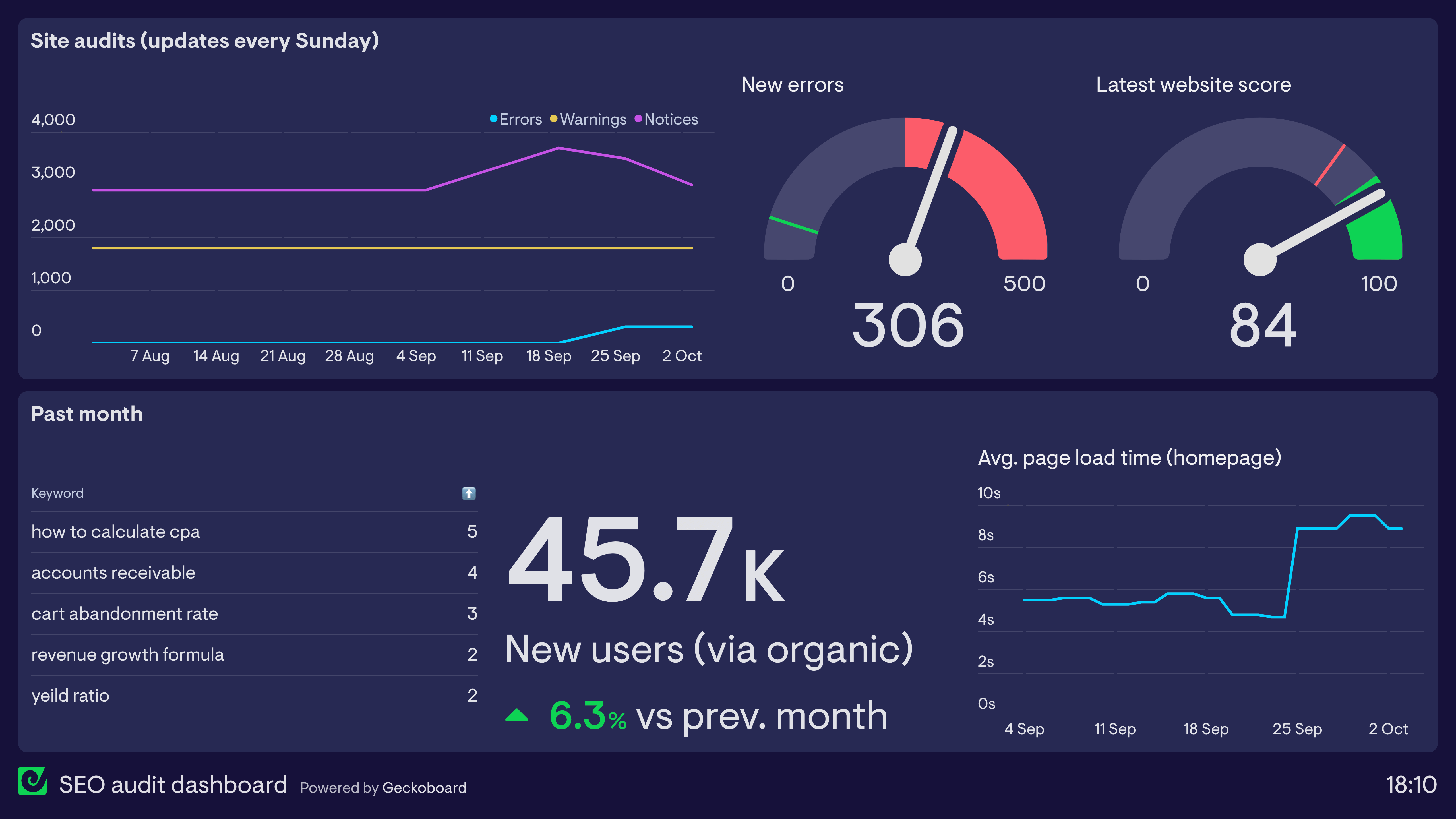
Track Performance with Analytics
You can’t improve what you don’t measure.
Tools to Use
- Google Analytics
- Google Search Console
Track:
- Organic traffic growth
- Keyword rankings
- Bounce rate
- Pages per session
Analyzing performance helps you refine your strategy and focus on what works.
Stay Consistent with SEO Efforts
SEO is a long-term strategy, not a one-time task.
Keys to Consistency
- Publish content regularly
- Monitor performance monthly
- Update and optimize old pages
- Stay informed on algorithm updates
Consistency builds authority and trust with search engines.
Leverage Content Promotion
Even great content needs promotion to gain traction.
Content Promotion Strategies
- Share on social media
- Email newsletters
- SEO-focused communities
- Industry forums
Promotion increases visibility, engagement, and backlink opportunities.
Focus on E-E-A-T Principles
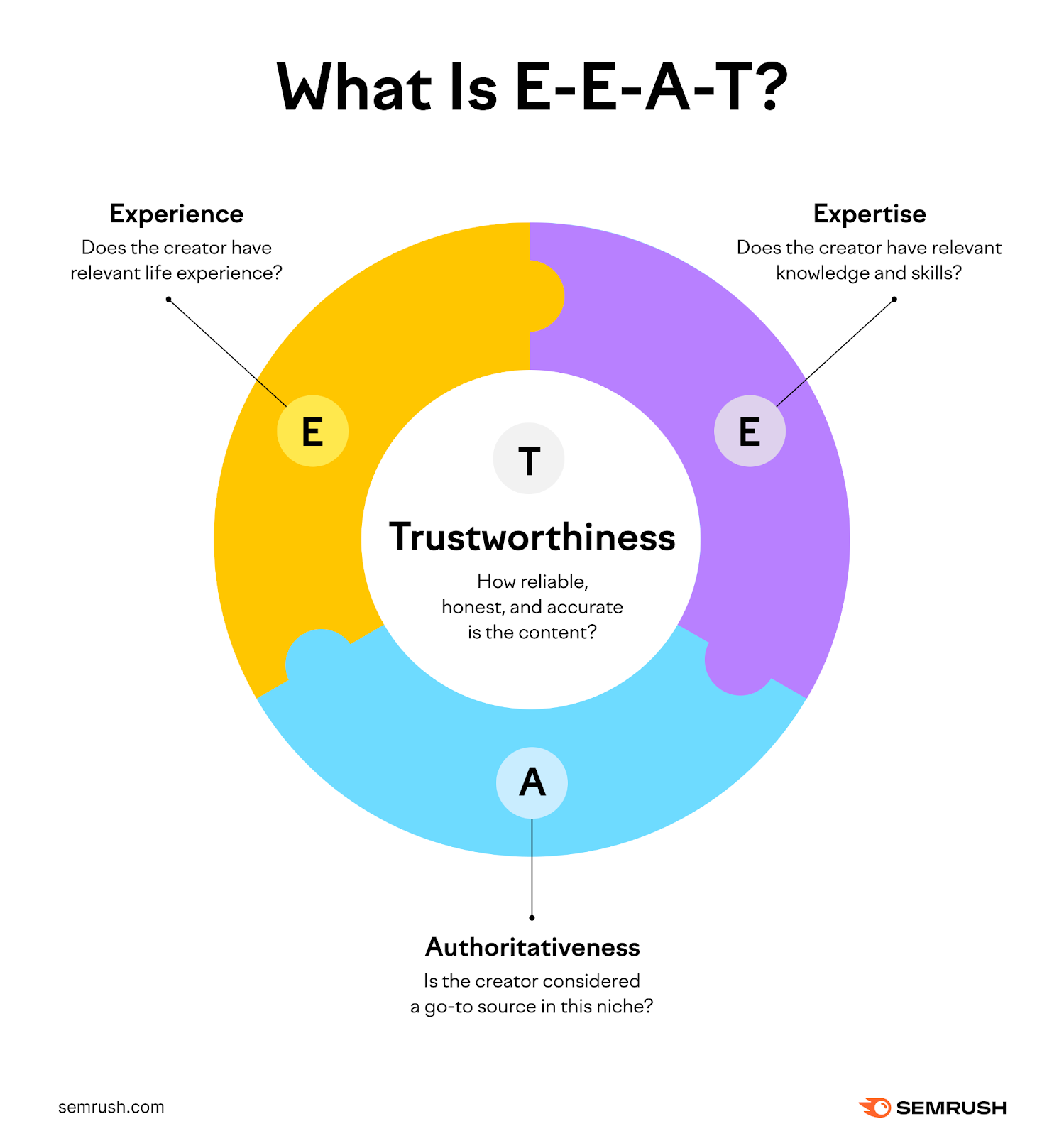
Google emphasizes Experience, Expertise, Authoritativeness, and Trustworthiness (E-E-A-T).
How to Improve E-E-A-T
- Use accurate, well-researched information
- Cite credible sources
- Create author bios
- Maintain transparency
Strong E-E-A-T signals help build long-term search trust.

Conclusion: Building Sustainable Organic Traffic Growth
ncreasing organic traffic requires a strategic approach that combines keyword research, high-quality content, on-page optimization, technical SEO, and ongoing performance tracking. While results don’t happen overnight, consistent effort leads to sustainable growth and long-term success.
By implementing the strategies outlined in this guide, you’ll be well-positioned to improve search rankings, attract more qualified visitors, and build a strong SEO foundation for your website.
Organic traffic isn’t just about numbers—it’s about reaching the right audience at the right time with the right content.
Leave a Reply